



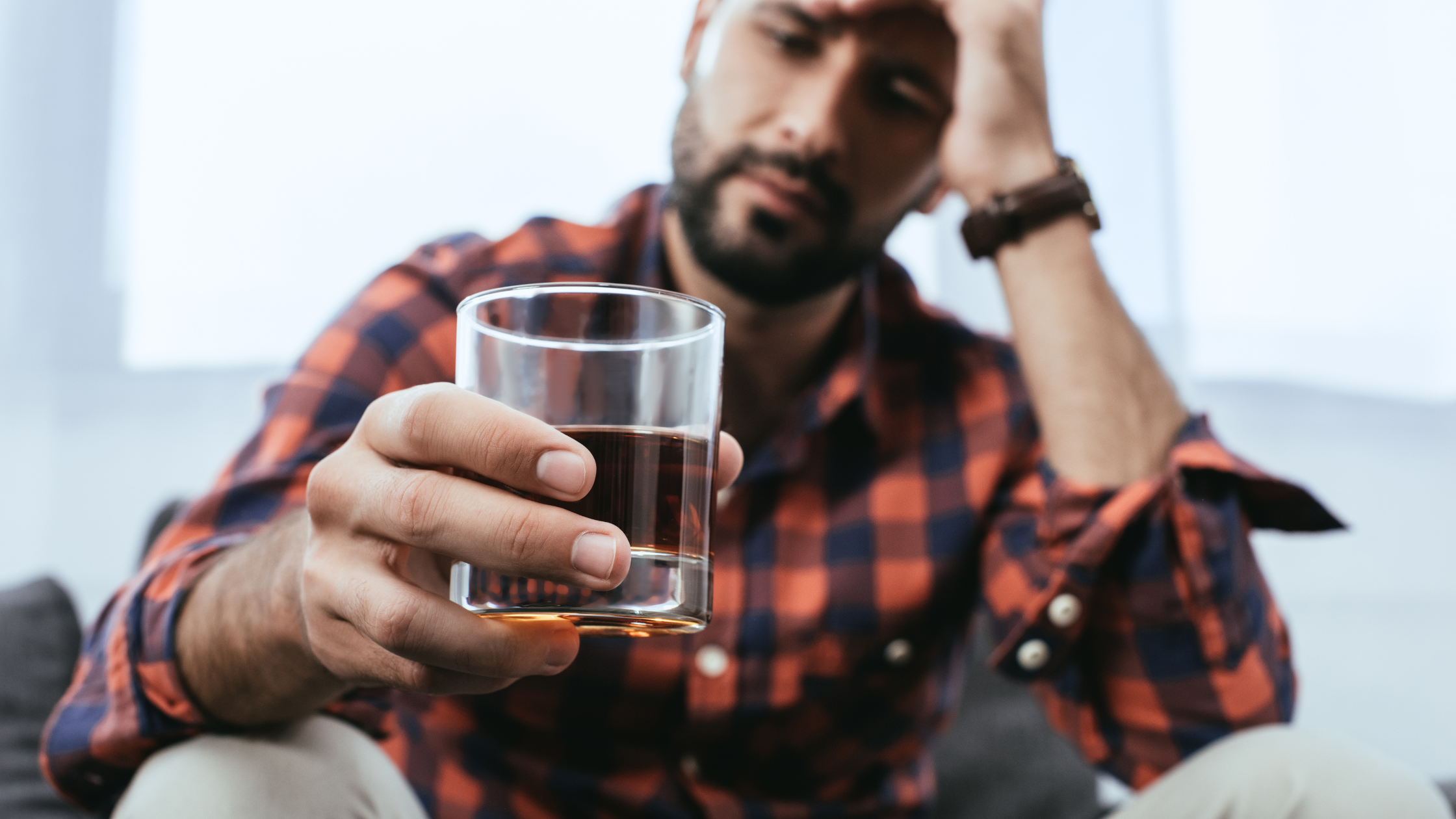
For decades, one sentence has quietly ended the day for millions of adults.
“I just want to unwind.”
It’s said after long commutes, relentless notifications, unfinished to-do lists, and the mental load that doesn’t disappear just because the workday technically ends. And for most of modern life, that sentence has come with a built-in answer: a drink.
Not because people were reckless. Not because they were chasing excess. Alcohol became the default because it was fast, familiar, socially approved, and everywhere. It marked the transition from effort to ease. From responsibility to relief.
But something is changing.
Not loudly. Not in a way that demands labels or public declarations. Quietly, in living rooms after dinner. In kitchens after bedtime routines. In bedrooms where sleep is starting to matter more than buzz.
This is the story of how alcohol became the evening ritual—and why more people are beginning to choose something different.
How Alcohol Became the Universal “Off Switch”
Alcohol didn’t earn its place by accident. It was built there.
In the decades following World War II, alcohol was marketed as earned relaxation. You worked hard. You provided. You showed up. And at the end of the day, a drink was your reward. Advertising reinforced the idea that a glass in hand wasn’t indulgent—it was responsible. A signal that the work was done.
That framing stuck.
Over time, alcohol became more than a beverage. It became a boundary. The line between effort and rest. The moment that said, “I’m allowed to stop now.”
After work. After dinner. After the kids are asleep. After the gym. After the emails finally stop.
It also became frictionless. No explanation required. No planning needed. No learning curve. Pour, sip, exhale.
In a world that kept accelerating, alcohol felt like a brake pedal.
And because it worked quickly—and everyone around you was doing the same thing—it rarely got questioned.
What “Unwinding” Is Actually Trying to Solve
When people say they want to unwind, they’re usually not talking about physical exhaustion.
They’re talking about:
-
A mind that won’t shut off
-
A nervous system stuck in “on” mode
-
Stress that lingers long after the task is finished
Modern life doesn’t give the body many clear signals that it’s safe to rest. Screens keep attention engaged. Notifications keep the nervous system alert. Even leisure activities often involve stimulation rather than recovery.
Scrolling distracts, but it doesn’t regulate.
Zoning out numbs, but it doesn’t restore.
True unwinding is about downshifting the nervous system—moving from alert and reactive to calm and settled. It’s about creating the conditions where rest and sleep can actually happen.
Alcohol appears to do this. At first.
The Part No One Connects to the Drink
Alcohol does calm the nervous system initially. That’s why the first drink feels relaxing. Stress softens. Thoughts slow. The body loosens.
But there’s a second act that rarely gets talked about.
As alcohol metabolizes, the body rebounds. Stress hormones rise. Sleep becomes lighter and more fragmented. REM sleep—the stage most responsible for emotional regulation and memory—is often disrupted.
This is why so many people:
-
Wake up around 2–4 a.m. feeling alert or restless
-
Have vivid or anxious thoughts at night
-
Wake up tired despite “sleeping”
-
Feel subtly irritable or foggy the next day
It’s not dramatic enough to feel alarming. It’s just consistent enough to feel normal.
For years, people assumed this was simply adulthood. Stress. Aging. Responsibility.
Only recently have more people started connecting the dots—and noticing that the ritual meant to help them unwind may be contributing to the very tension they’re trying to escape.
Real-Life Evenings, Reconsidered
This shift isn’t theoretical. It’s happening in very ordinary moments.
The parent standing in the kitchen after bedtime, finally alone, realizing tomorrow morning energy matters more than tonight’s buzz.
The professional closing a laptop at 9:30 p.m., knowing clarity tomorrow is worth more than distraction tonight.
The fitness-focused adult choosing recovery and sleep over inflammation and grogginess.
In each case, the desire is the same: relief. Calm. A clean break from the day.
What’s changing isn’t the need to unwind—it’s how people are meeting it.
The Quiet Change Happening Right Now
This isn’t about quitting. It’s about choosing.
Across age groups and lifestyles, people are drinking less—not because they’re anti-alcohol, but because they’re paying closer attention to how they feel.
What’s interesting is how understated this change is.
There are no announcements. No labels. No dramatic shifts in identity. Just small, private decisions made in the evening.
Many people don’t talk about it because alcohol is still deeply social. Declining a drink often requires an explanation. Choosing a different way to unwind can feel oddly personal, even when it’s practical.
So the shift happens quietly.
The ritual stays. The pause stays. The moment that says, “The day is done,” still matters.
The default is what’s changing.
Control vs. Escape
One of the biggest underlying changes is a growing preference for control.
Alcohol is blunt. Once you start, it’s easy to overshoot. One glass becomes two. Two becomes three. The line between relaxed and foggy moves quickly—and not always predictably.
Modern adults are less interested in escape and more interested in precision.
They want:
-
Predictable effects
-
Smaller, intentional amounts
-
The ability to stop without effort
This is why curiosity around low-dose and alternative approaches is growing—not as a rebellion, but as a refinement.
People aren’t trying to disappear. They’re trying to land.
The Rise of Intentional Unwinding
Intentional unwinding isn’t about rules or restriction. It’s about alignment.
Instead of asking, “How do I shut this off?” people are asking, “What actually helps me rest?”
Intentional routines prioritize:
-
Calm without disorientation
-
Sleep without disruption
-
Relaxation without regret
They acknowledge that evenings set the tone for the next day. That how you unwind matters—not just for the moment, but for recovery, mood, and clarity.
The tools people choose reflect that awareness.
Redefining What Unwinding Looks Like
Unwinding doesn’t have to mean dulling the edges of the day.
For more people, it now looks like:
-
A quieter mind
-
A settled body
-
Deeper, more restorative sleep
-
Feeling present instead of checked out
It’s less about numbing and more about restoration.
The ritual still exists. It’s just evolving.
A New Default, Without Shame
This shift isn’t a rejection of alcohol. It’s an expansion of choice.
People aren’t trying to be perfect. They’re trying to feel better—tonight and tomorrow.
“I just want to unwind” still matters.
What’s changing is the answer.
Where This Shift Is Leading
Brands like CBDX exist specifically for this moment—offering clearly labeled, low-dose options designed for people who want to unwind intentionally, without excess, loss of control, or next-day consequences. The focus isn’t replacing one habit with another, but giving people better tools to support real rest.
Final Thought
Cultural defaults don’t change overnight. They change quietly, one evening at a time, when people notice how they actually feel—and decide they want something better.
Unwinding isn’t going away.
It’s just getting smarter.


